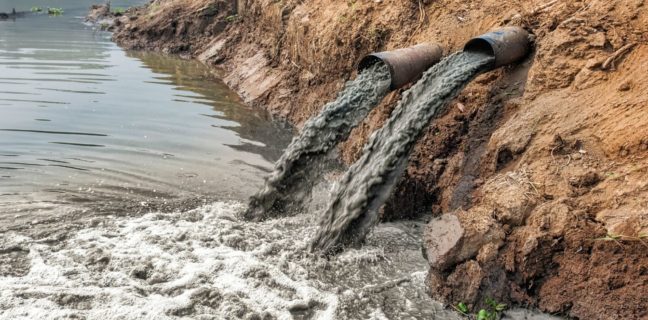
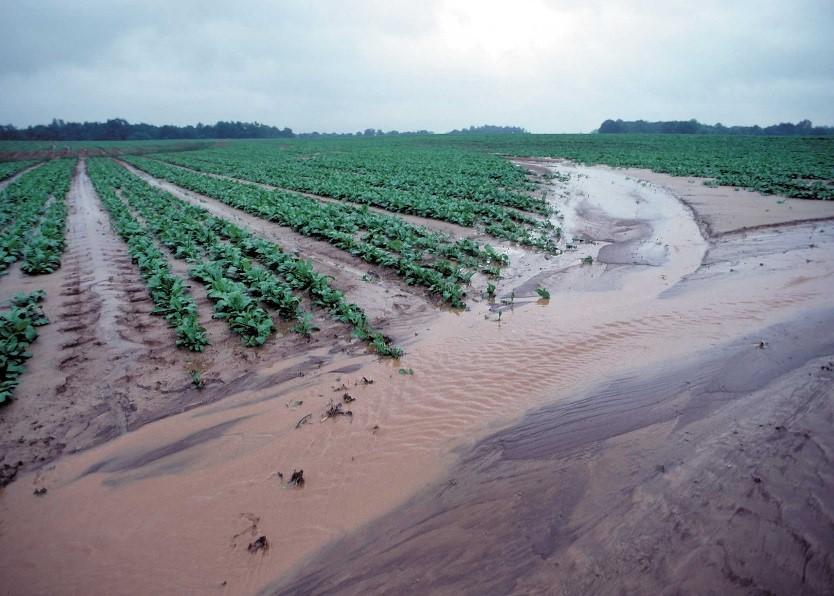
My research paper looked at the environmental health crisis of agricultural runoff. This is a non-point source of water pollution since products, such as fertilizers, herbicides, and pesticides, can arise from multiple inputs over a larger area. In addition, nutrients, waste, and bacteria from feedlots on farms contribute to the pollution. If land is managed sustainably, then agricultural runoff will be clean. Governmental regulations, environmental awareness, and safer agricultural products will allow for cleaner runoff.
“Impacts from agricultural activities on surface water and groundwater can be minimized by using management practices that are adapted to local conditions. These practices can also increase productivity and save farmers and ranchers money in the long run.” – United States Environmental Protection Agency
Non-point source pollution resulting from applying fertilizers and pesticides to farmers has been tagged as one of the greatest threats to water quality. Even though these products are beneficial on farms, they should not be leaking into land other than the farm. Once these products become runoff, they are extremely harmful. For instance, most of you have heard about the red tides occurring in Florida.

Algal blooms are the result of an excess of nutrients, such as those found in the products used in agricultural. When these nutrients are in waters and concentrate in large amounts, algae growth increases dramatically. As seen in the picture above, the algal blooms can discolor coastal waters. These blooms can deplete oxygen in the water and release toxins, which can cause harm to both humans and animals. For example, the algae in Florida’s blooms produce potent neurotoxins, which then cause human respiratory illness. Also, shellfish can become contaminated from the toxins, and if consumed by humans, cause Neurotoxic Shellfish Poisoning. Florida’s ecotourism is taking a hit as the red tides are causing widespread mortality of fish, turtles, birds, and marine mammals.
The Clean Water Act is a federal law which regulates the discharge of pollutants into the nation’s surface waters… but it doesn’t say anything about non-point sources of pollution. With inadequate laws and regulations in place, pollution will just keep occurring. Non-point source pollution represents the most significant source of pollution in America, yet the US government has decided to ignore it.
The environment needs your help. As runoff continues, more chemicals are infiltrating waterways, which are creating more harmful algal blooms. Biodiversity is being negatively impacted. The earth is losing its most precious species just so humans can benefit from genetically modified produce. Agricultural runoff is killing off aquatic species faster than we can implement solutions (because the government moves slower than a sloth). Before we know it, there will be little to no species left to save. The government needs to implement regulations of agricultural runoff before it is too late.
As cultural anthropologist Margaret Mead said, “Never doubt that a small group of thoughtful, committed citizens can change the world; indeed, it’s the only thing that ever has.” Contacting local and national government agencies will be the most realistic way to get things done in a timely manner. Without a push from you and I, the government will just keep sitting around like we don’t have this environmental health crisis getting worse by the day.
By contacting governmental agencies, we are urging them to change their regulations. If they refuse, we will threaten our demand of the agricultural business, and they will have no other choice but to listen and implement regulations. Help stop agricultural runoff and save our environment.
 E110 FA19 Class Blog